


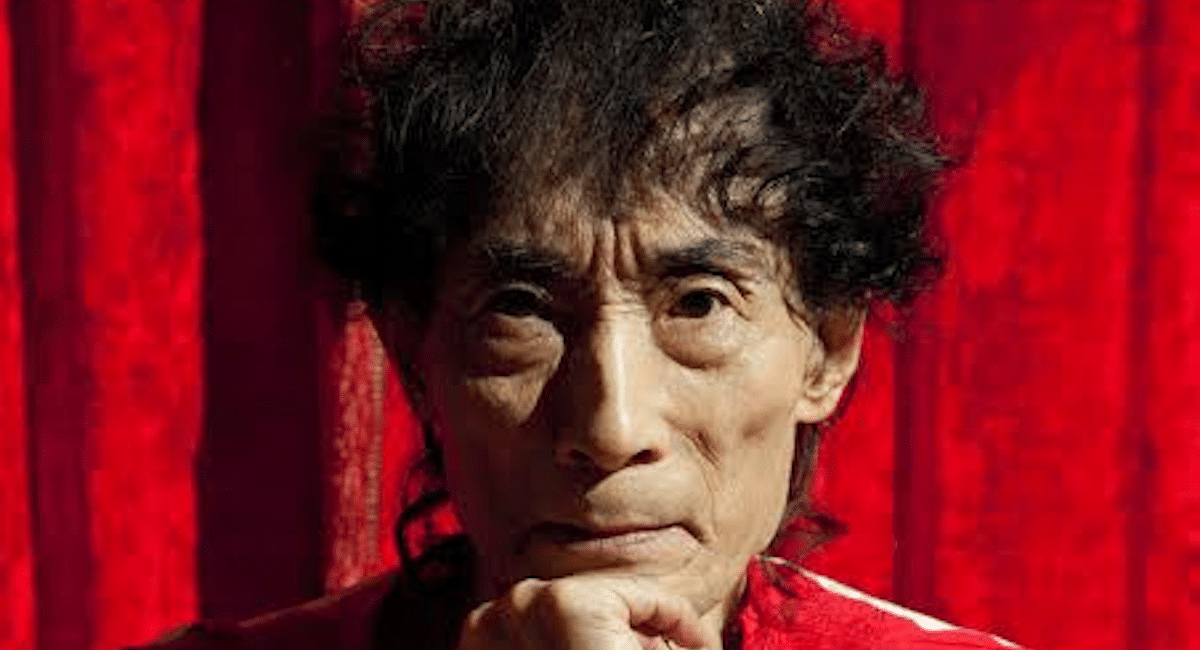
Kazuo Umezu, from the author’s website
Kazuo Umezu, the creator of “Drifting Classroom” and “Cat-Eyed Boy” and one of the great horror manga artists of the 20th century, has passed away. In an announcement made last night by his art company UMEZZ, it was announced that the artist passed away on October 28th. It was reported that the artist collapsed at his home earlier this year. A private service was held by the family.
To say Umezu was influential in 20th century horror comics feels like an understatement. There are few artists whose work has been as influential and unique as his. His comics influenced an entire generation of horror artists, from Junji Ito and Kanako Inuki to Western artists like Katie Skelly and Trevor Henderson. Rumiko Takahashi, the queen of the manga world, was also one of his assistants at one time. But no one mixed horror, absurdity, and drama throughout their work quite like Umezu.
From Orochi; Art: Kazuo Umezu, Provided by: Viz Media
Born on September 3, 1936, the artist grew up in the mountain city of Dojo. While painting from an early age, he absorbed supernatural stories, especially those of the snake woman. Like many people of his generation, he was inspired to draw manga after reading Osamu Tezuka’s works. His first published comic was an adaptation of Hansel and Gretel when he was 18 years old.
Umezu soon joined the growing gekiga movement. The Gekiga movement is an artistic change in manga that emphasizes manga as a full-fledged art form similar to literature and film. His comics were distinguished by incorporating supernatural and paranormal elements into their stories. At the same time, she began producing manga for girls’ manga anthologies such as “Shoujo Book” and “Niji”.
Two giants of Japanese horror, Hideshi Hino (left) and Kazuo Umezu (right) (Source: SameHat Blog)
This is where Umezu’s style began to take root. Like other horror artists of his generation, such as his colleague Hideshi Hino, he combined the aesthetics of the girls’ manga of the time with the grotesque and supernatural. The effect was unparalleled. The heightened emotion in girls’ manga storytelling was perfect for works like Reptilia to build tension and exaggerate the horror present in the story. But what struck me most about his works was that they were always about children facing these horrors, not adults. Adults were usually forces of evil, often combined with supernatural horrors. Japanese horror manga was never the same.
From Cat Eye Boy; Art: Kazuo Umezu, Provided by: Viz Media
Many of his early horror comics include Orochi, which depicts a mysterious supernatural young woman who encounters various supernatural evils; We featured wandering protagonists, such as “Cat Eyed Boy,” which features a young boy as the main character. These manga were similar to the likes of Shigeru Mizuki’s GeGeGe no Kitaro, which dealt with a supernatural protagonist coming into contact with evil. However, the difference between Umezu and someone like Mizuki was Umezu’s attitude of fully embracing darkness and violence. The people Orochi and the cat-eyed boy encountered were violent and monstrous. These stories usually end with the subject committing a horrific act meeting a tragic end. Due to this and his somewhat realistic drawing style, his comics were closer to American EC horror comics than Mizuki’s Yokai-focused works.
From “Drifting Classroom”. Art: Kazuo Umezu, Provided by: Viz Media
But soon, Umezu switched from serializing in girls’ magazines to boys’ magazines, and his career skyrocketed from there. In the late 60s, he began work on his first masterpiece, The Drifting Classroom. This manga tells the story of an entire elementary school that is sent to a post-apocalyptic future and how young children faced this horror. A Lord of the Flies version of nuclear war, Drifting Classroom explores so many horrors. Nuclear apocalypse, generational conflict, and self-reliance in an uncertain world, to name a few. There’s no way a work like this won’t touch the hearts of readers of all generations.
But horror wasn’t the only thing the artist could depict. Also known for the gag manga “Makoto-chan”. Works such as “My Name is Shingo” and “Fourteen” demonstrated his ability in science fiction. It’s definitely horror-flavored science fiction. “My Name is Shingo” deals with the horrors of industrialization and artificial intelligence, and “Jyuushi,” a spiritual successor to “The Drifting Classroom,” depicts the downfall of humanity. These works resonated with Japanese readers as much as his horror manga. His work on this manga won the Shogakukan Manga Award in 1974.
Kazuo Umezu’s house (Source: Samehat Blog)
As iconic as Umezu’s work was, the author himself was equally unique. To call him a bit of a character also feels like an understatement. The creator, known as the God of Horror Comics, was known for wearing red and white striped shirts everywhere he went. His home in Kichijoji was at the center of a lawsuit after neighbors objected to the candy-striped painting. Unsurprisingly, he won the case. He also owned a similar cottage near Nagano with an indoor slide.
Besides comics, his works have been adapted into several mediums. There have been several film adaptations of Drifting Classroom, including one directed by Nobuhiko Obayashi of Cult Japanese Film House. In 2016, the musical version of “My Name is Shingo” debuted. He also wrote and directed the autobiographical film Mother, in which he starred and, of course, wore his trademark shirt.
After retiring from drawing manga in 1996 due to tendonitis, Umezu began appearing in all kinds of media in Japan. He made cameo appearances in film adaptations of his works, including “The Snake Woman and the Silver-Haired Witch” and Obayashi’s film “The Drifting Classroom.” Furthermore, he made an impressive appearance in the movie “Tokyo Zombie” as a black magic expert.
Kazuo Umezu’s hand making Makoto’s sign “GWATCH!”
In recent years, he has begun exhibiting paintings based on “My Name is Shingo,” his first new work since his retirement. In 2016, “My Name is Shingo” won the Angelome Award “Succession Award,” which recognizes great manga of the past. Kazuo Umezu is said to have been in the planning stages of a new manga at the time of his death.
Few artists have had as much influence on 20th century horror manga as Kazuo Umezu. His unique style of expression, which combines paranormal phenomena and girlish aesthetics, yet has a child-like perspective, is unique to him. But it has also connected with generations of horror artists and will continue to do so. The persona he presented to the media was as childish as his cartoons. In the same way that “Orochi” influenced Junji Ito’s “Tomie,” it is difficult to imagine Ito’s many silly photographs without Umezu’s photographs. There’s never been anyone like Kazuo Umezu, and there probably won’t be anyone else.
Junji Ito (left) and Kazuo Umezu (right). Remember these guys have been scaring people for generations
Kazuo Umezu (also known as Kazuo Umezu)’s Drifting Classroom, Cat Eye Boy, Orochi, and My Name is Shingo are now available in print and digital from Viz Media.
Something like this:
Like loading…
