


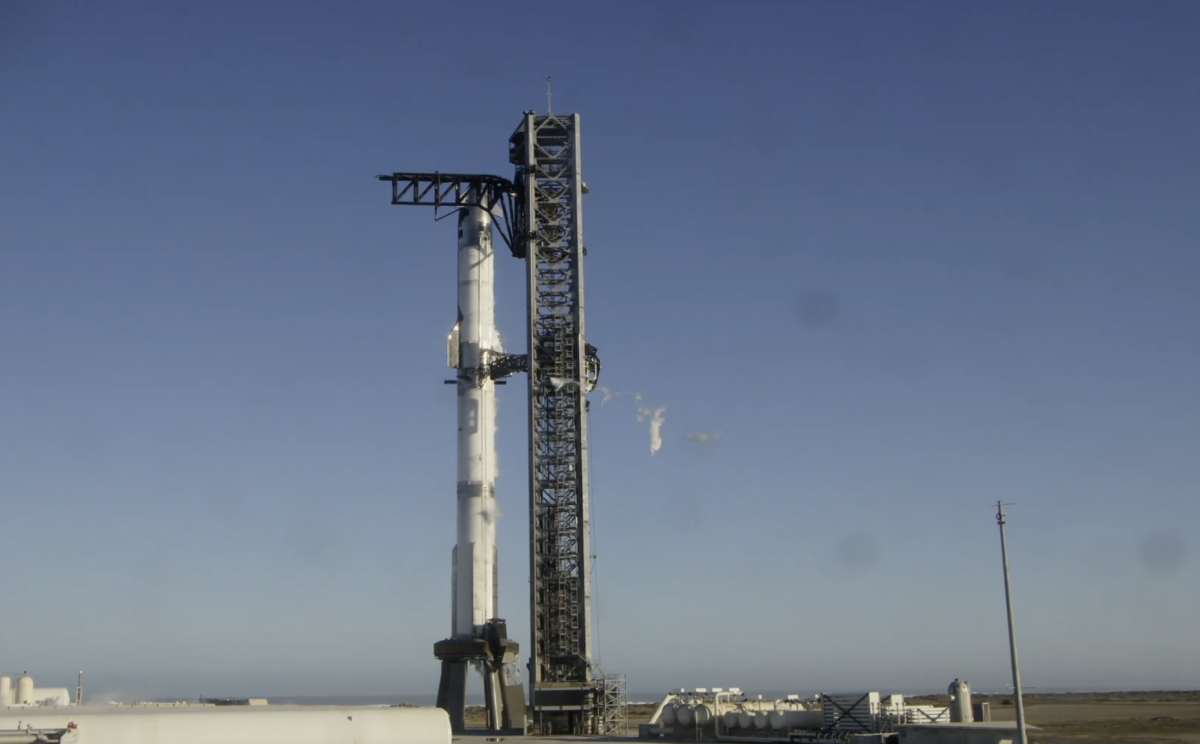
The Federal Aviation Administration has ordered SpaceX to conduct an investigation into why its Starship rocket exploded mid-flight on January 16th. Until the FAA approves SpaceX’s investigation report, the company will not be allowed to proceed with future Starship missions.
SpaceX’s launch appeared to be going according to plan before the explosion. Starship successfully escaped from the launch pad, and SpaceX was also able to capture the ship’s booster. But just eight and a half minutes after takeoff, the Starship spacecraft exploded, according to a post-launch blog post from SpaceX. According to CNBC, the FAA activated a “debris response area” in response to the sudden explosion, slowing or diverting nearby flights to prevent further accidents and causing significant flight delays for multiple airlines.
There were no injuries from the falling debris, but the FAA said in a statement that it was working “to confirm reports of damage to public property in the Turks and Caicos Islands.” The accident investigation conducted by SpaceX will need to determine not only the cause of the explosion, but also what corrective actions the company needs to take to prevent it from happening again. “Initial data indicates the fire started in the rear of the ship,” SpaceX said.
This isn’t the first time a Starship has met an explosive end. Multiple Starship launches have ended with either the SpaceX booster, the Starship spacecraft, or both exploding. However, the company appears to be getting better at capturing and reusing super heavy boosters. The capture was SpaceX’s second success before the Jan. 16 explosion. The first successful capture of a Super Heavy was in October 2024.
