


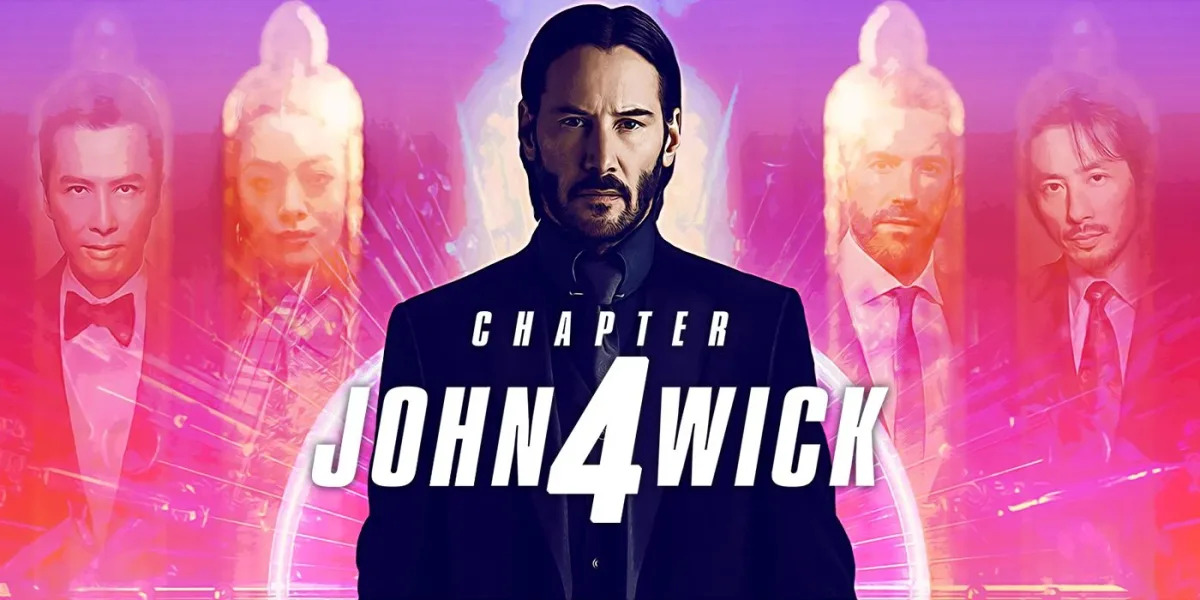
Remember when the Writers Guild of America (WGA) and Screen Actors Guild of America (SAG-AFTRA) went on strike for months, mainly for protection against AI? It certainly did include some conditions, but in any case, it doesn’t stop AI from making its way into Hollywood. First reported by The Wall Street Journal, Lionsgate, the studio behind John Wick and The Hunger Games, has signed a deal with AI startup Runway, which Runway confirmed in a press release. The deal gives Runway access to Lionsgate’s content library, but in return, the studio will receive the latest custom AI models that it can use in production and editing.
The deal is similar to recent (and similarly unsavory) deals with publishers such as TIME and Dotdash Meredith, but is a first for the film and TV industry. Lionsgate Studios vice chairman Michael Burns said in recent months that the company feared it would fall behind its competitors if it didn’t take such steps. “Runway is a visionary, best-in-class partner that will help us leverage AI to develop cutting-edge, capital-efficient content production opportunities,” Burns said. He went on to claim that “several of our filmmakers are already excited about the potential application of AI to the pre- and post-production process.”
There’s also the small matter of him expecting the deal to save the company “millions of dollars.” Whether that money will come out of the creators’ salaries is something we can only speculate on at this point, but it wouldn’t be surprising if it does.
Lionsgate’s newcomer Runway, like many other AI companies, has faced accusations of stealing content to train its systems. In July, a former employee came forward and provided internal spreadsheets showing that Runway trained its Gen-3 model using YouTube videos from Disney, Netflix, popular media, and more. As reported by Artnet, a group of artists has also sued Runway and other companies, including Stability AI, for copyright infringement. The plaintiffs won their case in August, with California District Court Judge William Auric finding that the plaintiffs’ claims that the companies violated artists’ rights were valid.
This article contains affiliate links, if you click on one of those links and make a purchase we may earn a commission.
