


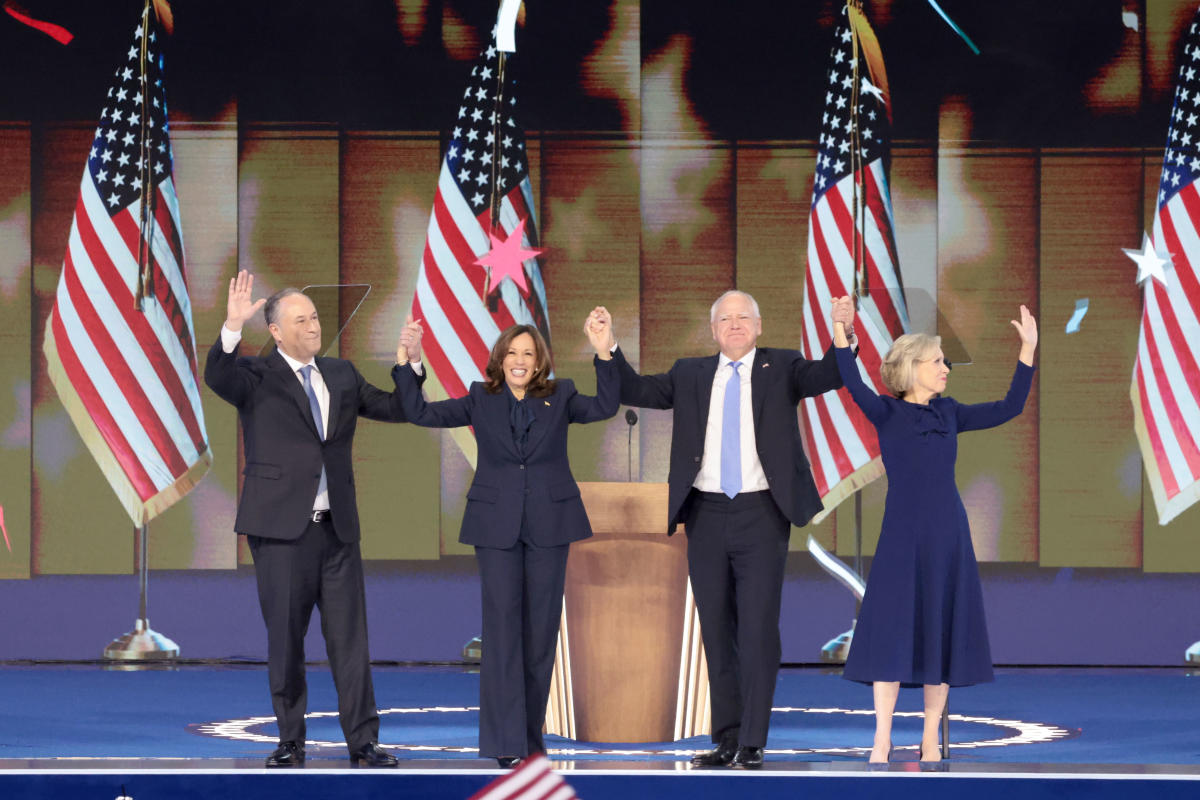
Russian troll farms with ties to the Kremlin are waging a disinformation campaign aimed at interfering in this year’s US presidential election, with Microsoft saying they are focused on discrediting Kamala Harris and Tim Walz. The company published a new report detailing the activities of two troll farms monitored by the Microsoft Threat Analysis Center.
These Kremlin-backed actors seemed to struggle to find the right approach immediately after Biden withdrew his candidacy, but in late August and early September, one of them began circulating fake videos that garnered millions of views. One video depicted Harris supporters allegedly attacking attendees of a Trump rally. Another used an actor to accuse Harris of involvement in a hit-and-run accident in 2011 that left a 13-year-old girl paralyzed. The second video was published by a website launched a few days earlier posing as a San Francisco-based media outlet and quickly went viral.
Meanwhile, the second troll farm stopped producing content about the 2024 Paris Olympics and started making videos to make Harris look bad. One fake video showed a billboard in New York City claiming that Harris wants to change the gender of her child. The video was first published on Telegram but was later shared on X, where it garnered more than 100,000 views in just a few hours.
Microsoft warned that more Russian-made disinformation material, including staged and AI-edited videos, will be circulating online as the election approaches. Earlier this month, the U.S. government indicted two employees of Russian state-run media outlet RT, accusing them of plotting to pay a Tennessee company $10 million to spread 2,000 propaganda videos on social media. The Treasury Department also sanctioned ANO Dialogue, a Russian nonprofit group that was allegedly involved in a campaign called “Doppelganger,” which created fake websites that looked like real major news sites to U.S. readers. Microsoft said in its latest report that it had suspended more than 20 accounts associated with ANO Dialogue.
Meta recently banned RT and other Russian state media for “foreign interference activities.” According to a memo provided to Engadget by the company, the company has seen Russian state media attempt to interfere with foreign governments and evade detection in the past. The company said it expects Russian state media to continue to try to “exercise deceptive influence on the internet.”
But Russia is not the only group trying to influence the outcome of this year’s US presidential election. Microsoft, Google, and even the federal government released a report in August alleging that Iranian hackers had attempted to launch spear-phishing attacks on several advisers to the Biden-Harris and Trump campaigns. Microsoft also found that groups linked to the Iranian government were running campaigns to sway the vote in the US. One such group created a website attacking and denigrating former President Donald Trump.
This article contains affiliate links, if you click on one of those links and make a purchase we may earn a commission.
