


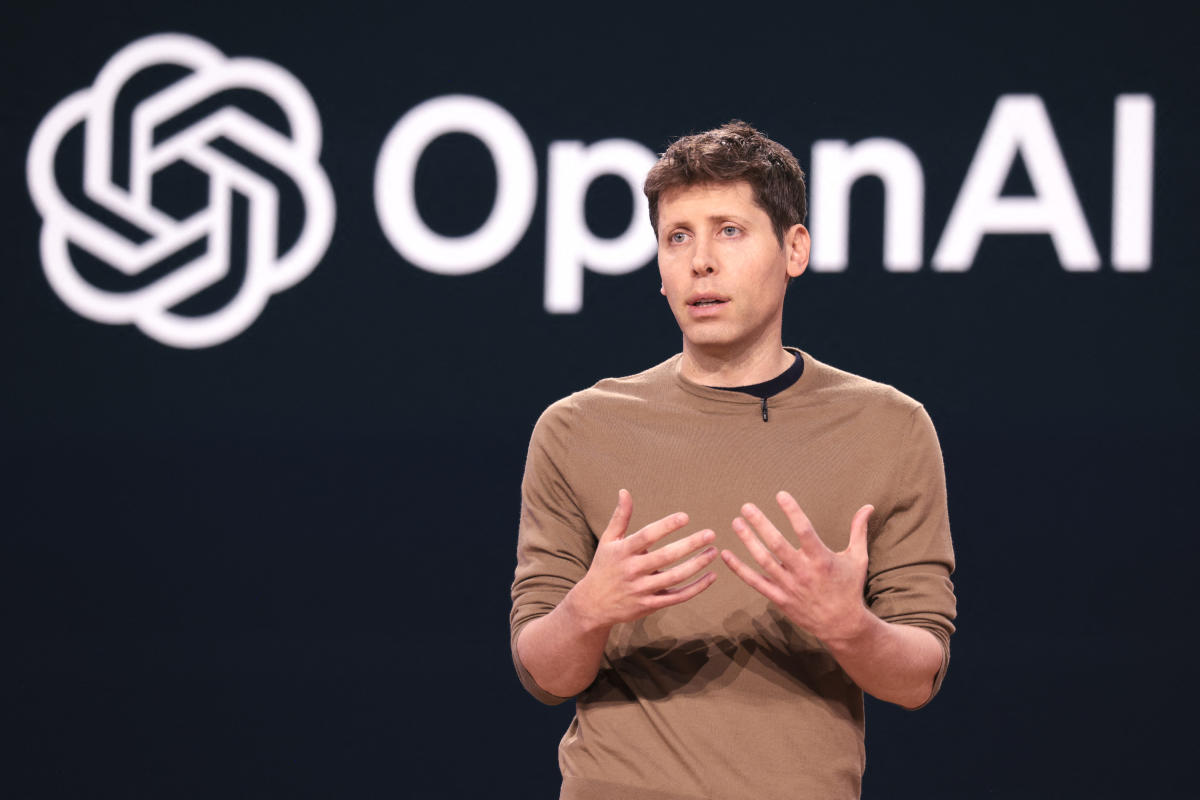
According to Fortune, Sam Altman said in a weekly meeting with OpenAI staff that the company will be changing its rather complicated non-profit legal entity next year. The CEO said that OpenAI will move away from non-profit management and towards a more traditional for-profit entity. He did not go into details about how the company will achieve that goal or what OpenAI’s legal entity will specifically look like. A spokesperson told Fortune only that the company is “focused on building AI that benefits everyone” and that “non-profit is core to[the company’s]mission and will remain.”
OpenAI started as a nonprofit that relied on donations in 2015. A page explaining the organization’s organizational structure notes that it has raised just $130.5 million in total donations over the years, which made it clear that “donations alone were not scalable enough to cover the cost of the computing power and talent required to advance[the organization’s]core research.” To solve this problem, the then purely nonprofit created a for-profit subsidiary. As Fortune explains, OpenAI’s nonprofit now manages its for-profit arm, which in turn manages a holding company that receives investments from companies like Microsoft.
The structure places a cap on how much profit OpenAI can distribute to investors, including Microsoft. Any profits OpenAI makes above that cap go to the company’s nonprofit arm. And according to a June report from The Information, the company’s revenues are soaring. OpenAI reportedly doubled its annual revenue in the first half of this year, thanks to a subscription version of ChatGPT.
The company’s complex structure allowed OpenAI’s nonprofit board to remove Altman in 2023 because it “no longer had confidence” in his ability to continue leading the company, but five days later the board dissolved and was replaced, with Altman reinstated as CEO.
This article contains affiliate links, if you click on one of those links and make a purchase we may earn a commission.
