


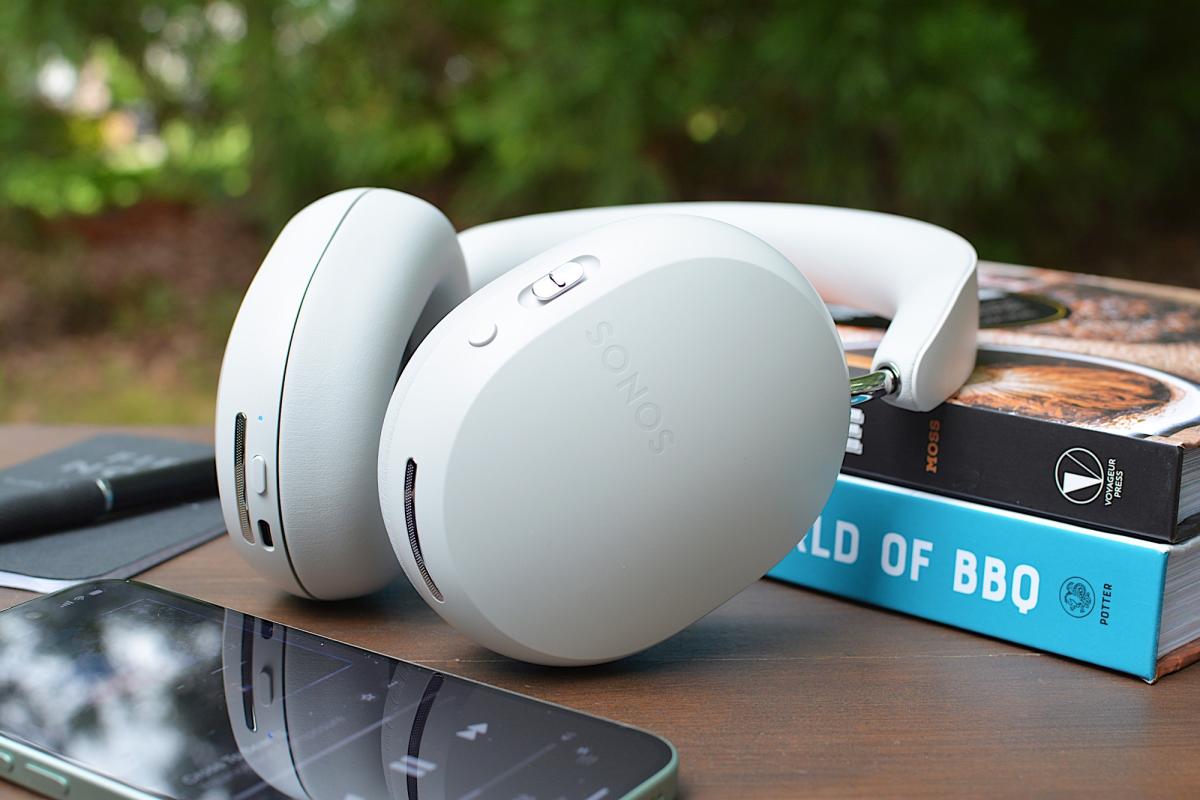
It’s been a disastrous few months for Sonos since the company failed in a major overhaul of its mobile apps. To regain user trust, the company has come up with a plan that includes several new initiatives.
“Since launch, our priority has been, and continues to be, fixing the app. There have been some setbacks, but we first thoroughly understand how we got here, and then Now we’re ready to put those learnings into action,” Sonos CEO Patrick Spence said in a statement. “We are committed to making changes to return to being the brand people love by providing the best audio systems for the home and beyond.”
Sonos’ latest plan is based on two pillars. One is to address the core causes of the app’s problems (it wasn’t completely ready and was missing important features) and to regain user trust. First, Sonos promises an “unwavering focus on customer experience.” Its vague efforts include determining “ambitious quality benchmarks” at the beginning of the product development cycle and not releasing the product until those standards are met.
The company has appointed a quality ombudsman to serve as a point of contact for employees with concerns about quality or customer experience. Sonos leadership consults with this person during the development process and before product deployment. The ombudsperson also submits semi-annual reports to executives and employees.
Next, Sonos plans to make its testing process more rigorous, including opening up its beta testing program to more types of users and different types of setups. The test period will also be longer. As such, Sonos believes this will allow it to quickly address user concerns.
Additionally, Sonos has promised to gradually roll out major changes to the app. That way, users can provide feedback and make tweaks to the company before important updates become the default for everyone. For smaller features, the app provides an opt-in toggle for those who want to experiment.
When it comes to regaining consumer trust, Sonos has three promises. First, as a gesture of goodwill, Sonos is extending the manufacturer’s warranty on all home speaker products (home theater gear and plug-in speakers) that are under warranty. The company promised to continue rolling out app updates every two to four weeks to “optimize and enhance the software experience.”
Last but not least, Sonos will have a customer advisory board. This allows the company to “gain feedback and insights from a customer perspective, allowing us to shape and improve our software and products before launch.”
The company plans to implement all of these changes by the end of the year, but some are already in place. Sonos also noted that unless it can rebuild trust with users and improve the “quality of the app experience,” members of its executive team will not receive annual bonuses for the fiscal year starting today. are. However, the company did not disclose the parameters for achieving those goals.
The company rolled out a new app in May in preparation for the debut of its first headphones, Sonos Ace. But the downside was that Sonos rushed to roll out the redesigned app. It was buggy and lacked some important basic functionality, such as the ability to adjust alarms (although it was possible to do so in the desktop app, it was inconvenient).
The company spent several months trying to resolve the issue, which it says will ultimately cost between $20 million and $30 million. This issue caused Sonos to postpone the release of two new products. The company also laid off 100 employees in August.
Sonos says it has regained more than 80 percent of the app’s missing functionality and expects to have nearly 100 percent restored in the coming weeks. “With each release, the app becomes more reliable and faster.”
