


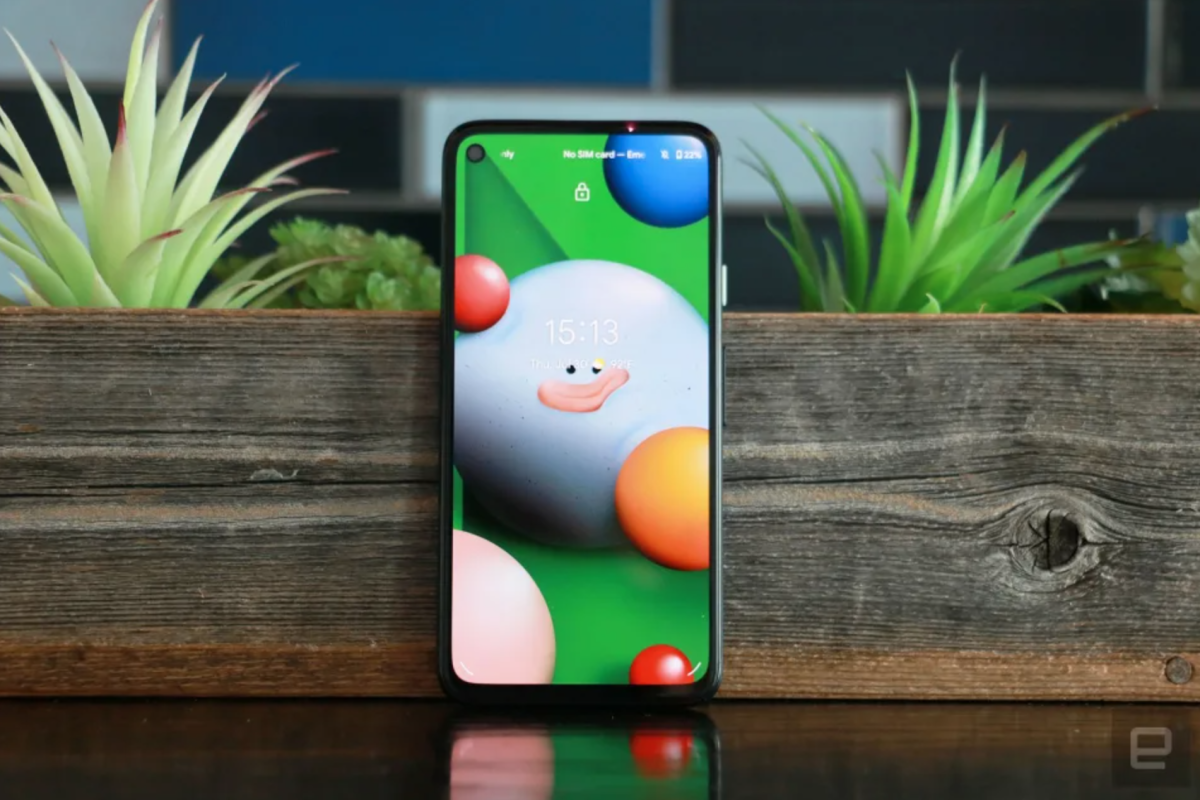
Google’s Pixel 4a has long been considered a great smartphone for people on a budget, but a software update has emerged that challenges that idea. This update reduces reported battery life. This is not a side effect of new software. This is the actual purpose of updates.
Wait, what? Google says automatic software updates to Android 13 will “reduce battery runtime and charging performance” but are necessary to “improve stability” for each device. That’s the only explanation the company provided. We reached out to Google to ask specifically why this is necessary.
Are other Google Pixel 4a users receiving emails about Android 13 battery updates that may affect your phone’s battery? If you’re reading this… guess what 😅
— Alexis Collins (@Lexiscee) January 7, 2025
There is a silver lining for current Pixel 4a owners. All Pixel 4as will receive automatic updates, but only certain devices will experience reduced battery life and charging performance. There is no information on which devices will be affected as a result of the update, but owners of so-called “affected devices” will have several “mitigation options” to choose from.
You can also send your phone in for a free battery replacement, but owners will have to leave the house without their handset while Google performs the replacement. If that’s not viable, the company will send $50 to affected owners or give them a $100 credit toward the purchase of a new Pixel smartphone in the Google Store. Pixel 4a owners have one year to choose one of these options.
Most likely, there’s nothing malicious going on and the Pixel 4a’s battery is simply old, like any smartphone released in 2020. This means your battery may not be able to provide all the power your current OS requires. Software updates may be intended to prevent unexpected behavior or shutdowns, and reduced battery life is an unfortunate side effect.
This whole situation seems suspiciously similar to when Apple started slowing down older iPhones in 2017. However, Apple was not honest with consumers during that debacle, which led to lawsuits and more. At least Google seems to be ahead of the curve in this area, even if it could use a little more transparency.
