


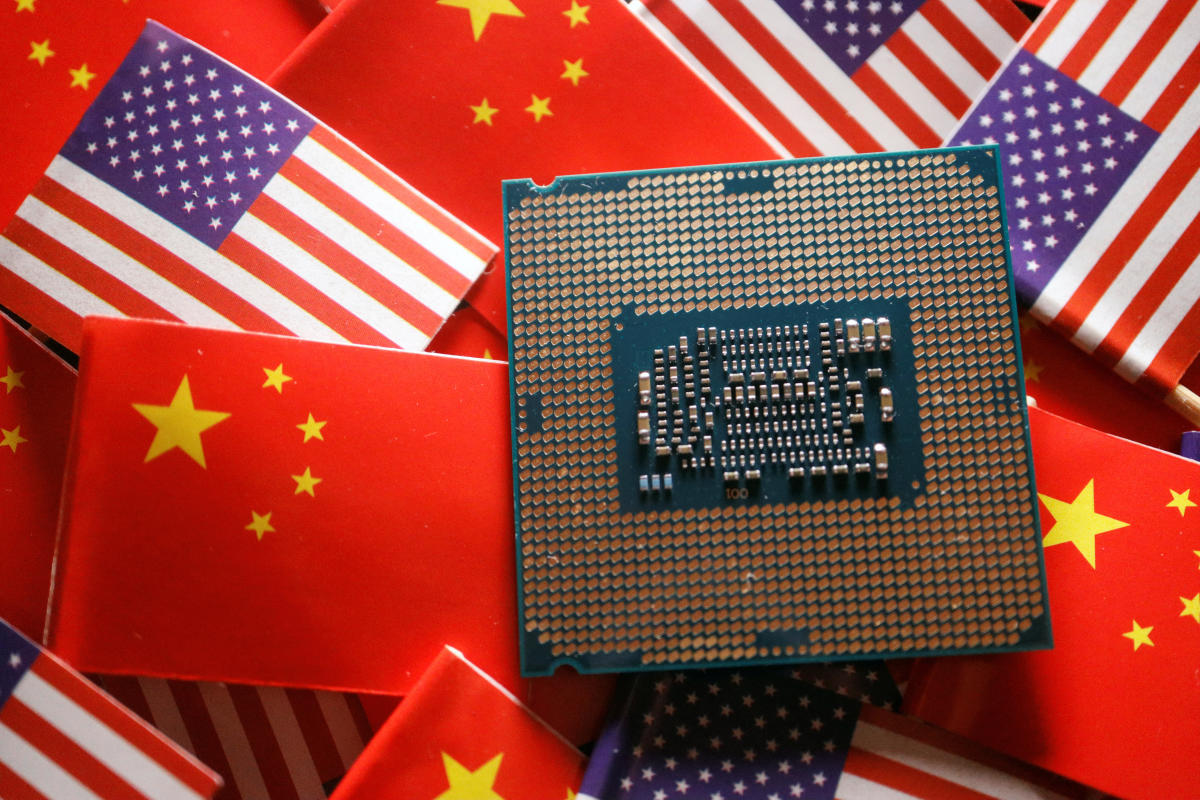
Currently, Chinese gallium, germanium, and antimony are not exported to the United States. Germanium and gallium exports were already suspended in October, and antimony exports have fallen by 97% since September. The official declaration came a day after the United States announced it would further step up technology exports to China, particularly regarding computer chips.
The ban includes substances with “potential military uses,” according to Reuters.
China’s export ban primarily concerns what the government calls “dual-use items,” or items that can be used by both the military and civilians. As a result of this ban, graphite exports from China to the United States will also have to undergo stricter scrutiny. However, export is not yet completely prohibited.
Gallium and germanium are used in the manufacture of semiconductors, and the latter is also found in fiber optic cables and solar cells. Antimony can be found in shotgun shells, nuclear weapons, night vision goggles, and some batteries.
These export bans are significant because China produces 48 percent of the world’s mined antimony, 59.2 percent of refined germanium, and 98.8 percent of refined gallium production. The US now has to scramble to find new deposits containing these materials, as the ban has already affected prices. Antimony trioxide prices have increased 228% since the beginning of this year.
Ever since the United States banned exports to central powers, China has been looking for ways to become technologically independent. The results of these efforts include HarmonyOS, Huawei chips used in AI development, and the BeiDou navigation satellite system.
