


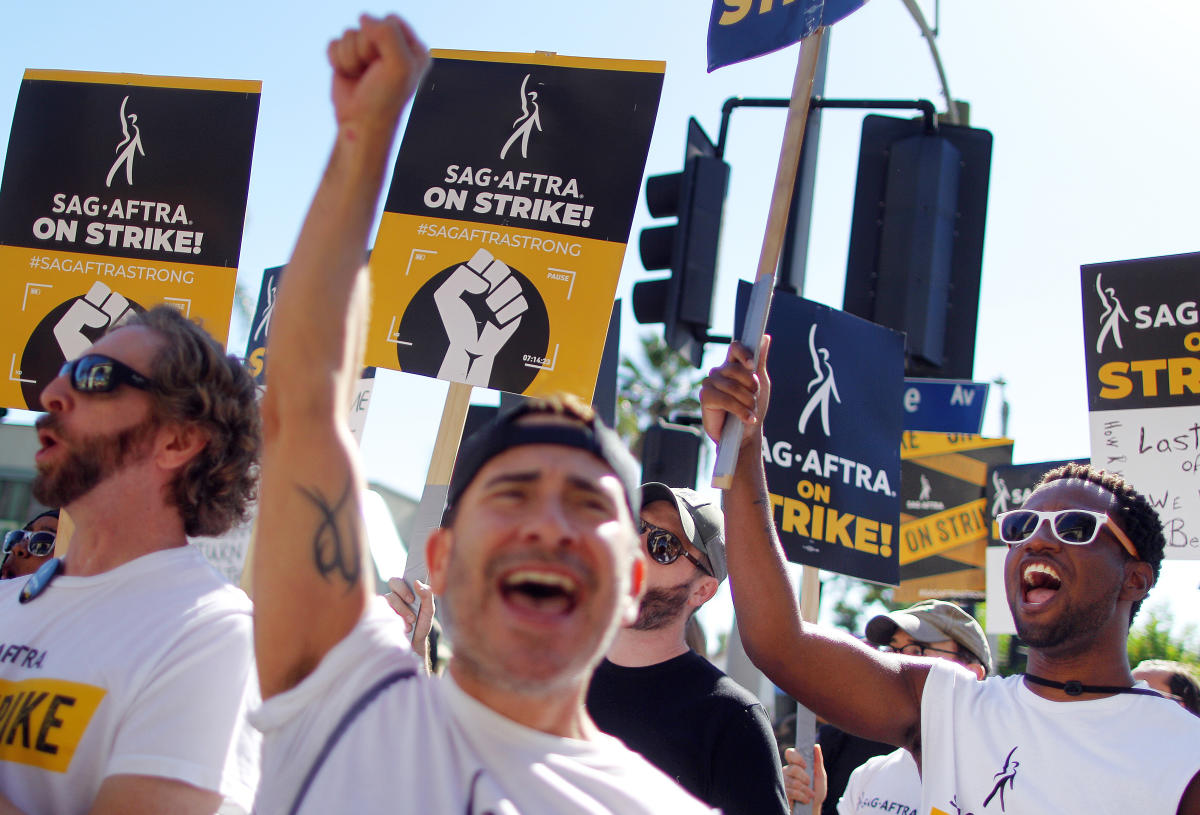
California has approved a landmark AI bill that will protect the digital likeness of performers. On Tuesday, Governor Gavin Newsom signed Assembly Bill 2602, which will take effect on January 1, 2025. The bill requires studios and other employers to get consent before using “digital replicas” of performers. Governor Newsom also signed Assembly Bill 1836, which gives similar rights to deceased performers and requires getting permission from their estates before using their AI likeness.
Introduced in April, AB 2602 covers film, television, video games, commercials, audiobooks and non-union acting jobs. Deadline notes that its terms are similar to those in the contract that ended the 2023 actors’ strike against Hollywood studios. The film and television actors union SAG-AFTRA, which resisted last year’s deal, strongly supported the bill. The Motion Picture Association initially opposed the bill but moved to a neutral position after it was amended.
The bill would prohibit employers from using AI to recreate an actor’s voice or likeness if it replaces work that the actor would have done in person. It would also ban the use of digital replicas if the actor’s contract doesn’t specify how deepfakes can be used. Additionally, any contracts that actors enter into without having a lawyer or union representation would be invalid.
The bill defines a digital replica as “a highly realistic, computer-generated electronic representation that is readily identifiable as the voice or appearance of an individual, embodied in a recording, image, audiovisual work, or transmission in which the actual individual is not actually performing or appearing, or in which the actual individual is performing or appearing but the essential characteristics of the performance or appearance have been substantially altered.”
Meanwhile, AB 1836 expands posthumous publicity rights in California. Hollywood will now have to get permission from a deceased person’s estate before using digital replicas. Deadline notes that exceptions would be allowed for “satire, commentary, critique, parody, and certain documentary, biographical and historical projects.”
“This bill is a major step forward, protecting not just SAG-AFTRA performers, but all performers,” Duncan Crabtree Ireland, SAG-AFTRA’s chief negotiator, told the Los Angeles Times in late August. “In an age of digital reproduction, voice and likeness rights require strong guardrails around licensing to protect them from abuse, and this bill provides those guardrails.”
AB2602 passed the California Senate on August 27th by a vote of 37-1 (with the lone dissenter being Republican State Senator Brian Dahl). The bill was then sent back to the state Assembly (which passed an earlier version in May), where amendments made during negotiations in the Senate were formally approved.
On Tuesday, SAG-AFTRA President Fran Drescher celebrated the passage of the bill the union fought for and passed. “Today is a monumental day for SAG-AFTRA members and everyone else because, thanks to the state Legislature and Governor Gavin Newsom, the AI protections we fought so hard for last year will now be expanded by California law,” Drescher said.
