


Revenge is the gift that keeps on giving to manga artists. Vinland Saga, Attack on Titan, Legend of the Northern Sword, Immortal Blade, Berserk, they’re all driven by characters who need to right the wrongs that have been imposed on them in various violent ways. Narratively, it’s not just that there are countless variations. It also speaks to a very fundamental part of human nature. We’ve all wanted revenge on something or someone at one time or another.
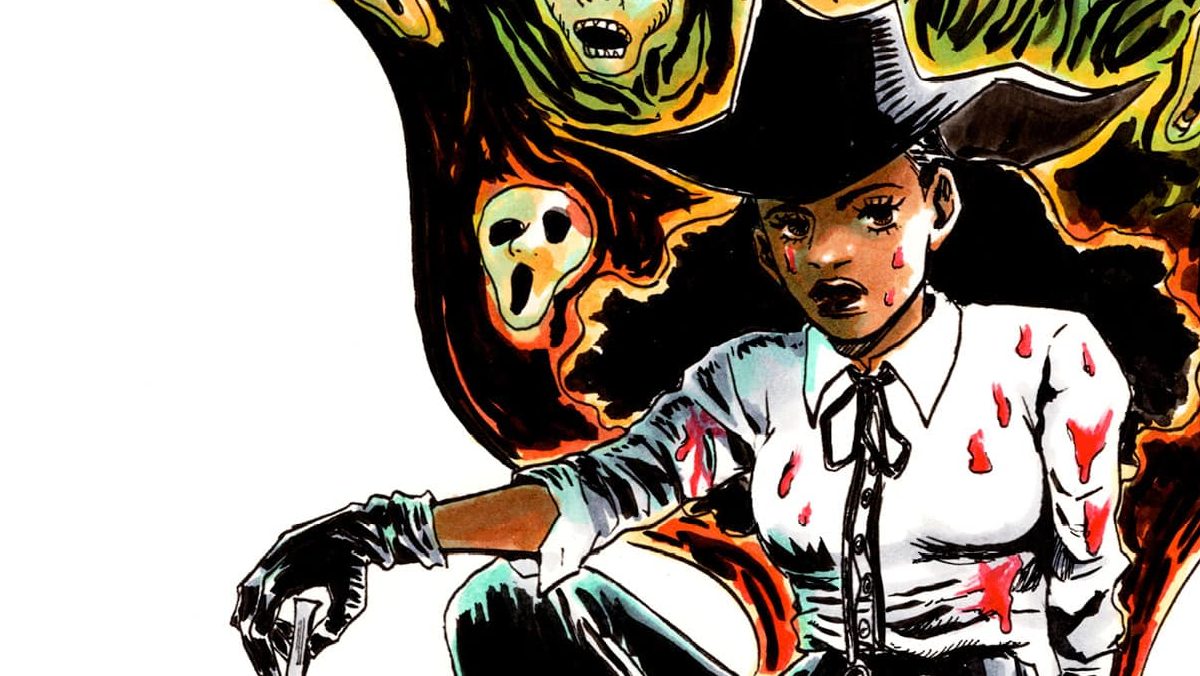
Creator Gigi Murakami has already created a dark manga world centered around the idea of the Ripper. In this film, the Ripper offers those who have just been killed a chance to avenge their deaths. It’s a smart, thought-provoking approach that follows the heavy inks and Junji Ito-esque horror imagery, giving the brand of revenge a more introspective feel. Murakami currently contributes horror manga to Viz Media. Particularly through its “Original One Shots” program, it offers new chapters that welcome new readers and reward those who have encountered the story in advance.
In this new one-shot (which you can read for free here), Murakami delves deeper into the moral and ethical conundrums associated with the concept of retaliation. It all depends on the decisions we make regarding violence. The Ripper presents three different options to those who cross over to kill. They can either accept death and move on to reincarnation, hire the Ripper for revenge, or become the Ripper themselves.
This time, three options are presented to victims of vicious hit-and-run incidents. Jackie (the comic book protagonist/Ripper) continues to fulfill his responsibilities, but when he learns the identity of the murderer, he is shaken by a strong wave of self-doubt. Instantly, questions about innocence, self-destruction, and accountability surface, complicating a case that initially seemed open and closed.
Murakami does a great job of moving beyond the morality play elements of the story and confronting the reader more directly. They are asked to think deeply about what path Jackie will take with the responsible parties, and their comfort zones are consciously destroyed in the process. This is one of the most rewarding aspects of reading, and it sets the work apart by adding more urgency and agency to the multiple conversations it initiates.
Visually, Murakami continues to show off his ability to let ink and black play a role in storytelling. This helps set the tone and mood early on. The dripping quality of the ink constructs Jackie’s mortal world as a place dominated by shadows and ghostly smears that reflect the type of work she’s involved in. The same goes for the look and feel of the world of the living, but for our purposes here: It is about establishing a sense of crisis that death becomes an indiscriminate force and is naturally inclined to respond with violence (i.e. the Ripper).
What is noteworthy is Murakami’s background work. It is extensive in detail and rich in stories. Metaphorically speaking, the building appears to be a pejorative that oppresses the living. They tower over the populace with a watchful, critical eye that frames life as tyrannical and cruel. This is another great example of Murakami’s ability to achieve complex worldbuilding. Resenter hides a lot between its panels, but it never leaves readers with the clues they need to fuel their imaginations about otherworldly avengers and horror-inducing secrets.
The Regenter one-shot special feels like the beginning of something special with an eye toward expansion. There are many stories here that need to be explored further. In this chapter alone, we see a variety of Rippers, spirits, victims, monsters, and situations branching out. It is a testament to the strength of Murakami’s world and the characters that appear in it. I simply want to grow. When a story has such fascinating darkness, there’s little you can do but succumb to it. I hope this is exactly what happens.
Something like this:
Like loading…
